CinemaCriticism
Notes on a New Wave
Six first features, one city, and a generation of directors who have stopped asking permission. A survey of the debuts rewriting the rules of the entrance.
September 22, 2026 · 3 min read
Something is happening in the west end of the city, and it is best understood as a change in metabolism. In the last eighteen months, six first features have arrived from directors under thirty, all shot in the same few postal codes, none of them waiting for a permission slip from the usual funding bodies. The films are unalike in mood and unanimous in grammar.
The budget is the aesthetic
Every one of the six was made for less than the cost of a mid-range car, on cameras that fit in a jacket. But the debuts do not wear their poverty the way earlier low-budget waves wore theirs, as a badge of authenticity. They wear it the way a swimmer wears water: the constraint is the medium, not the statement.
The city as a character with a temper
What the films share, beyond geography, is a refusal to use the city as backdrop. In Farah Deeb's Concrete Orchard, the buildings are not photographed: they are listened to. In Milo Grant's Two Rivers, No Bridge, the transit system provides the film's only timekeeping. The directors have grown up inside a city that is under permanent construction, and their work has the patience of people who have learned to live with a thing that will never be finished.
These are not films about arriving. They are films about remaining, which is a harder story to tell and a truer one to be young in.
Nobody is waiting for the green light
The generational break, when you talk to the directors, is not aesthetic at all. It is procedural. None of the six applied for the traditional development track; all of them shot first and apologised later, a strategy that would have been reckless five years ago and is now merely sensible.
"It cost less to make the film than to apply for the money," Deeb says flatly, and the sentence has become the movement's manifesto by attrition. The grants follow the films now, not the other way around, and the establishment, which spent decades guarding a door, has discovered the wall no longer exists.
Whether the wave produces a masterpiece is a question for the next decade. What it has already produced is a working method: small crews, fast shoots, no waiting. The debut is no longer a permission slip. It is a first act, and the city, half-built and patient, has been cast in all six. Audiences should consider themselves warned, and cast too.
04 / Keep reading
Related stories

CinemaSep 27
Ushna Shah: Presence, Range and the Long Game
Bashar Momin, Parizaad and Aye Ishq e Junoon: a guide to Ushna Shah's career from York University graduate to one of television's most striking leads.
The Editors · 3 min read
CinemaSep 27
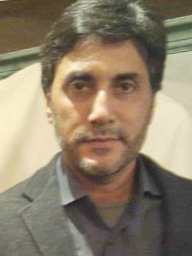
Adnan Siddiqui: A Career Across Three Industries
From PTV's Aroosa to Hollywood, Hindi cinema and Mere Paas Tum Ho: a guide to Adnan Siddiqui's 30-year career and his work as a producer.
The Editors · 3 min read
CinemaSep 27
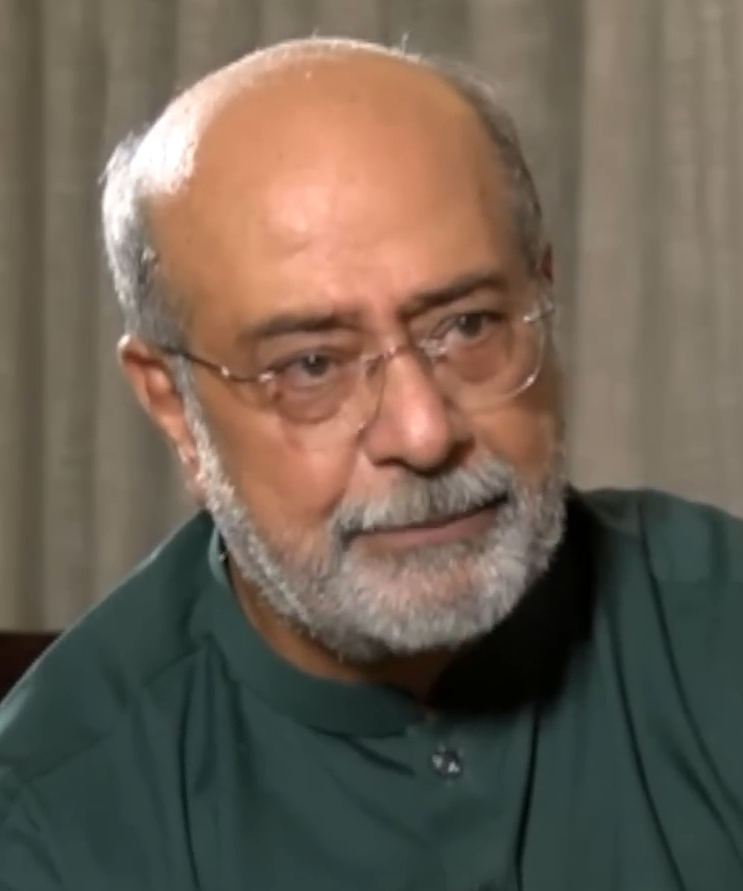
Syed Mohammad Ahmed: The Writer Who Acts
He wrote some of Pakistani television's wittiest scripts, and then stole scenes as Agha Jan in Suno Chanda. A guide to Syed Mohammad Ahmed's two careers.
The Editors · 3 min read